WEATHER & CANCELLATIONS

Vatnajökull operates on its own terms. Learn how we monitor conditions to ensure 100% safety for every Skaftafell ice cave expedition.

⚠️ Content Subject to Change

The weather policies and safety protocols listed on this page are for general guidance and may evolve. For the most up-to-date, live information regarding your specific tour date, please refer to the official tour details page.

The 2026 Safety Protocol

Following the significant glacial shifts of late 2024, our weather and accessibility standards have been permanently elevated.

Vatnajökull Safety Shift (Nov 2024)

Following a major review in late 2024, new safety contracts dictate that all operators must perform daily safety assessments led by a designated lead guide. A professional council now oversees these evaluations to ensure objective safety standards across all Skaftafell tours.

Early 2026 Season Report

As of January 2026, the ice caves in Skaftafell are reported as "exceptionally clear and structurally sound" due to stable early winter temperatures. However, daily accessibility remains subject to local glacier movements and wind conditions.

Summer Melt Rate: 10cm/day

During the peak summer months, warm temperatures can thin cave walls by up to 10cm per day. Tours are strictly monitored and will be suspended immediately if structural integrity is compromised by meltwater or warm air currents.
Rain vs. Wind: What Cancels a Tour?

It is a common misconception that rain cancels ice cave tours. In reality, wind and thermal instability are the primary risks.

⚠️ Wind Speed Limit: 22 m/s (50 mph)

⚠️ Rainfall Limit: 15mm/hr prolonged

⚠️ Visibility Limit: < 100 meters on glacier

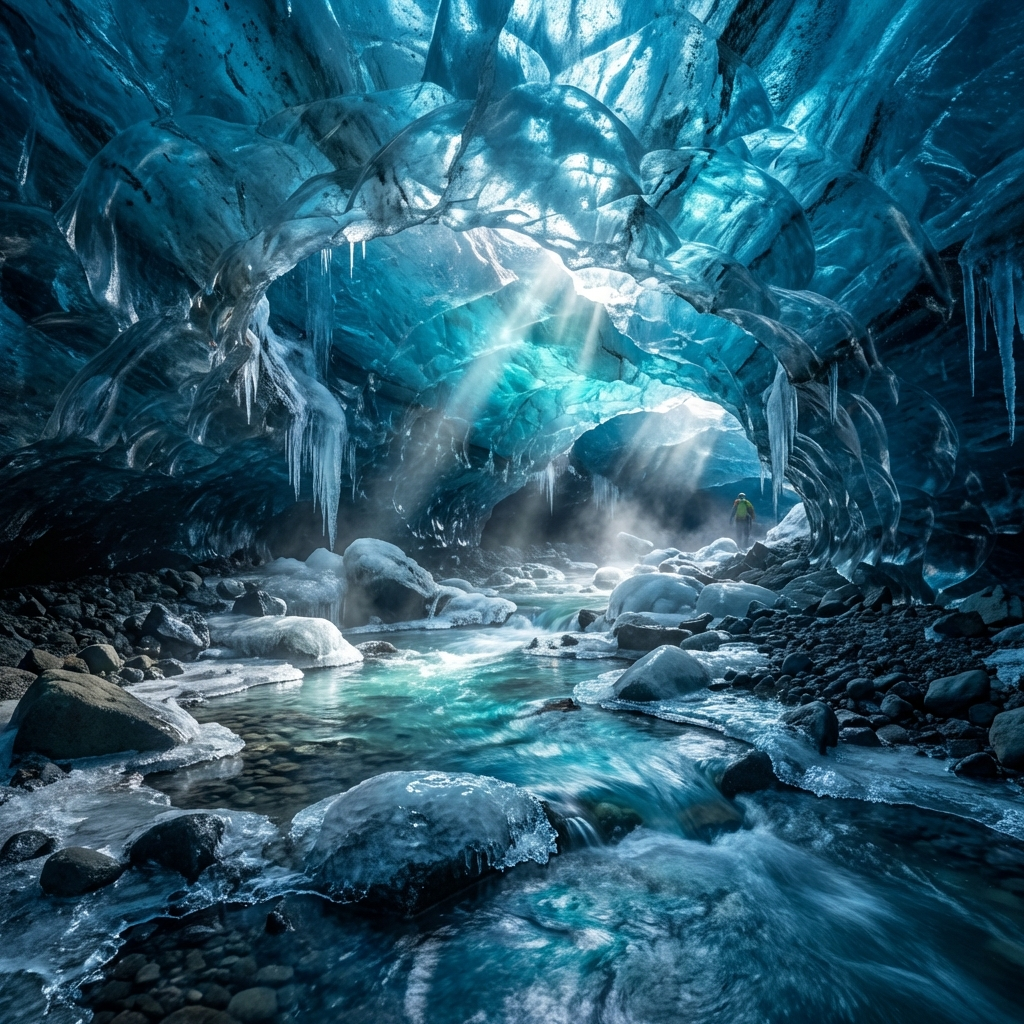
Skaftafell Blue Ice Cave with Meltwater
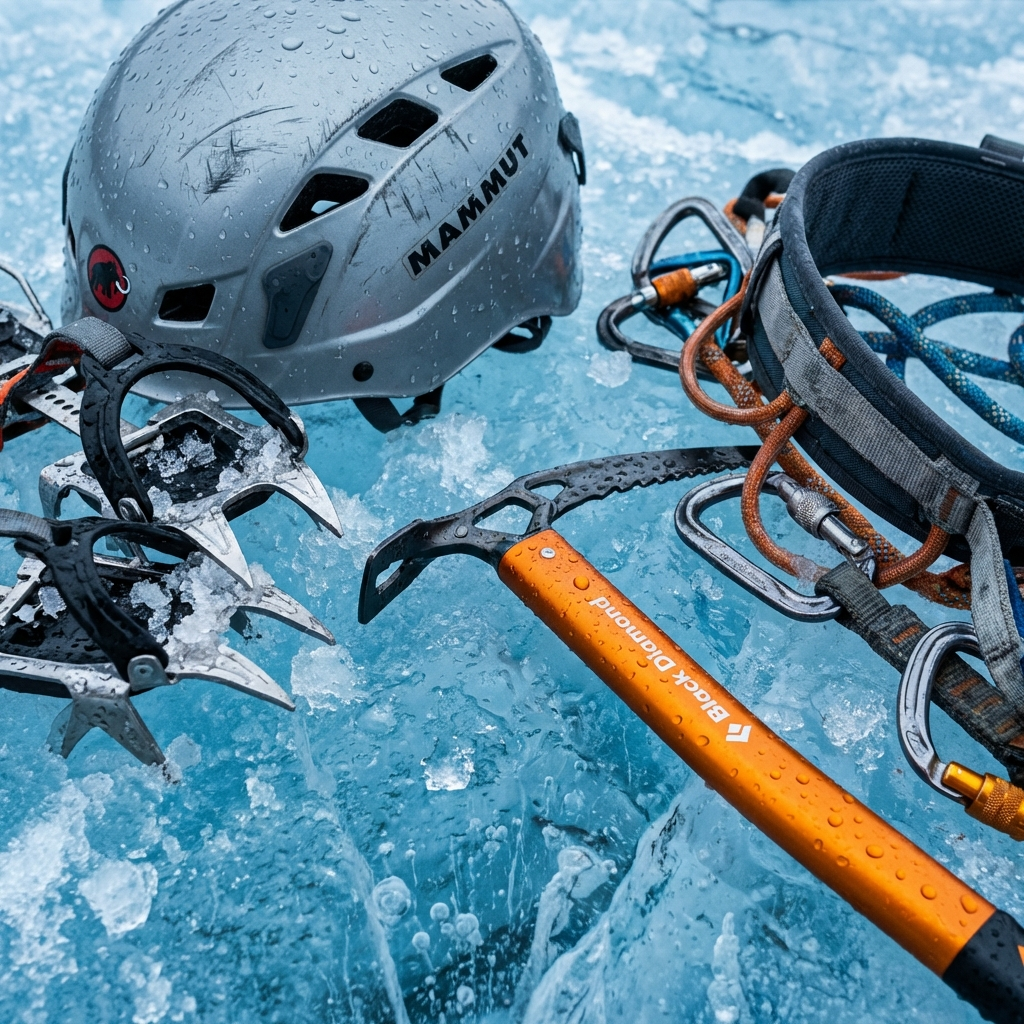
Iceland Glacier Safety Gear

Preparing for the Elements

Skaftafell weather changes in minutes. High information gain dressing is the key to comfort.

  • Layer 1: Merino wool base (moisture wicking)
  • Layer 2: Fleece or wool mid-layer (insulation)
  • Layer 3: Gore-Tex or similar hardshell (wind/water protection)
  • Footwear: B2-rated hiking boots (required for crampons)